Marriage · 5 min read
Is It Too Late for Marriage Counseling? Signs Your Marriage Can Still Be Saved

It’s one of the most common questions I hear from couples in Omaha: “Are we too far gone for marriage counseling to help?” Usually it’s asked quietly, sometimes from a parked car outside work, by someone who has been carrying the question around for months.
Here’s my honest answer after nearly three decades of doing this work: most couples wait longer than they should to get help. But waiting too long and being too late are not the same thing. I can’t promise any couple a particular outcome, and I won’t. What I can tell you is what tends to matter, and what tends to matter less than you think.
Why couples wait so long
There are understandable reasons people put it off. You hoped it would get better after the move, after the baby, after the busy season at work. One of you may be embarrassed. One of you may believe therapy is where couples go to break up. And plenty of Nebraskans were raised to handle their own business and not air it out to a stranger.
The trouble is that patterns get grooved in over time. The fight that started about money is now about respect. The distance that started during a stressful year has become the way you live. None of that makes change impossible. It does mean the work is about the pattern, not just the latest argument.
Signs your marriage can still be saved
These aren’t guarantees. They’re signs that there is still something to build on.
- You still care what your partner thinks of you. Even if it shows up as hurt or anger, caring means you’re still emotionally connected.
- You both still argue sometimes. It sounds backward, but conflict means you’re both still trying to be heard. Total silence often worries me more.
- You can remember why you chose each other. If you can tell me how you met with even a hint of warmth, there’s something there.
- There are still moments of humor or kindness. A shared laugh at the dog, a coffee made without asking. Small moments count.
- At least one of you is willing to look at your own part. Not all of it. Just a part.
- You’re both willing to come in, even if one of you is skeptical. Reluctant is fine. Present is what matters.
What doesn’t automatically mean it’s too late
Couples often assume certain things are the end of the road. These are serious, but in my experience they are not automatic verdicts:
- An affair. Infidelity is one of the most painful things a couple can face, and many couples do rebuild. My infidelity and affair recovery work focuses on exactly that.
- Years of feeling like roommates. Emotional and physical distance can be addressed with patience and specific tools. That’s the focus of intimacy counseling.
- One of you has said the word “divorce.” Saying it out loud is often a sign of pain, not a final decision.
- You’ve tried counseling before and it didn’t help. Different approaches and different therapists can feel very different. One disappointing experience doesn’t mean therapy can’t work for you.
When it may be too late, or when couples therapy isn’t the right tool
Honesty matters here. Couples therapy is not the right tool in every situation.
If there is physical violence, threats, or a partner who feels afraid at home, joint couples sessions are usually not appropriate, and individual support and safety planning come first. If that’s your situation, the National Domestic Violence Hotline (1-800-799-7233) can help you think through options confidentially.
It can also be too late in a practical sense when one partner has fully and finally decided to leave and has no interest in trying. Even then, a few sessions can help a couple end things with less damage, especially when kids are involved. That’s not failure. It’s a different goal.
What I see more often, though, is the in-between: one partner is leaning out and one is leaning in. That’s exactly the situation divorce prevention counseling is designed for. The leaning-out partner doesn’t have to promise anything except to show up and be honest.
What helps a marriage turn around
The couples who make real progress in my West Omaha office usually do a few things, whether or not they started out hopeful:
- They stop trying to win the argument and start trying to understand the pattern.
- They practice new skills between sessions, even clumsily.
- They tell the truth in the room, including the uncomfortable truth.
- They give it enough time. A marriage didn’t get here in three weeks, and it usually doesn’t turn around in three weeks either.
My approach is direct and interactive. I’ll help you slow down the fights, name what’s happening underneath them, and practice different ways of reaching for each other. I draw on the research of Drs. John and Julie Gottman and on DBT skills, which help each of you stay steady enough during hard conversations to actually hear each other instead of having the same argument over and over.
What if only one of you is ready for marriage counseling in Omaha?
This is common, and it’s workable. If your partner isn’t ready to come in, you might start by talking with them about what you want, not what they’re doing wrong. “I miss us, and I want to try something different” lands better than “You need therapy.”
Some couples find a defined, shorter commitment easier to agree to. The Relationship Tackle Box is a 90-minute assessment plus three sessions focused on two problem areas, which can feel more manageable to a reluctant partner than an open-ended commitment.
It also helps to pick a time when neither of you is already running on empty. Bringing it up during a Husker game, or right after a holiday weekend with the in-laws, is a tough start. A quiet Sunday morning with coffee is a better one.
You don’t have to have the answer yet
You don’t need to know whether your marriage can be saved before you call. Figuring that out is part of the work. What you need is a willingness to look honestly at where you are, and maybe a little curiosity about whether things could feel different.
If you’re asking the question, call me at (402) 306-4842 or request an appointment. I offer day and evening appointments, and after we’ve met, I’ll tell you honestly what I see.
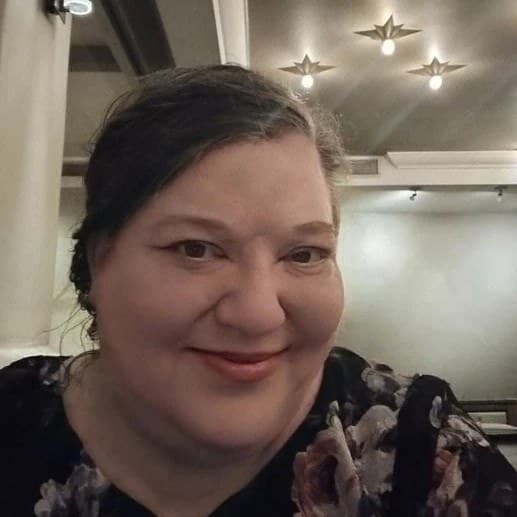
Cindy Ridgway, LMHP is a Licensed Mental Health Practitioner in West Omaha with 28+ years of experience in couples, marriage and individual therapy. More about Cindy